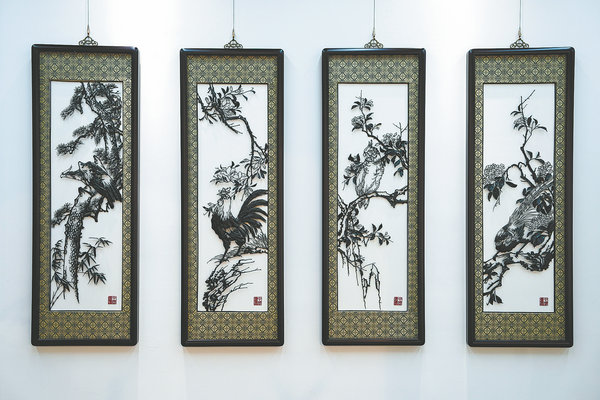
Wuhu Iron Painting
Introduction
Wuhu Iron Painting, also known as Tiehua, is an exquisite form of art originating from Wuhu, a city in Anhui province, China. This unique artistic expression is crafted from iron sheets and wires, which are skillfully shaped using various techniques such as forging, welding, and chiseling. These intricate patterns are then placed on a white base and framed to create a stunning visual representation. The art form, dating back over 300 years, was recognized in 2006 as a national intangible cultural heritage due to its cultural significance and artistic value.
Historical Background
The origins of Wuhu Iron Painting trace back to the late Ming Dynasty (1368-1644) and early Qing Dynasty (1644-1911), when local artisans in Wuhu began exploring new methods of art using available resources, particularly iron, which was abundant in the area. The art form reflects the advanced metal refining skills of ancient China and the traditional emphasis on Chinese culture, blending techniques from traditional Chinese painting and ink wash with 3D modeling to create a distinctive style.
Artistic Techniques
Crafting Wuhu Iron Painting involves a variety of techniques, including forging, drilling, welding, filing, and chiseling. Artisans use hammers, tongs, iron blades, and rods to create diverse shapes and forms that depict landscapes, figures, flowers, insects, birds, and animals. The delicate ironwork replaces traditional brush strokes, lending the paintings an elegant and charming aura. Each piece is unique, with no two paintings being identical due to the handmade nature of the craft.
Preservation and Promotion
Efforts have been made to preserve and promote Wuhu Iron Painting for future generations. Artisans like Tang Chuansong and Xu Gang are committed to passing on their expertise to aspiring learners, ensuring the legacy of this traditional craft continues to inspire. In 2017, the Wuhu government issued regulations to protect iron painting, encouraging colleges and vocational schools to establish courses to produce skilled artists in the field. Xu Gang, a renowned iron painter, collaborates with universities to increase the art's influence among young people, inviting students to appreciate the essence of the art through visits and communication.
Cultural Significance
Wuhu Iron Painting holds significant cultural importance as it embodies traditional Chinese aesthetics and craftsmanship. The art form draws inspiration from traditional Chinese brush paintings, with the black iron representing the style of Chinese calligraphy and ink wash paintings. Despite the challenges involved in mastering the craft, artisans continue to pursue this artistic expression, contributing to the cultural heritage of Wuhu and Anhui province.
Contemporary Developments
The Anhui Garden of Beijing Expo 2019 showcased Wuhu Iron Painting alongside other representative Anhui handicrafts and horticultural products, highlighting the cultural heritage of Anhui province to an international audience. This exhibition promoted the picturesque ancient villages of Huizhou, southern Anhui, and offered visitors a glimpse into the harmonious balance between man and nature.
Future Prospects
The future of Wuhu Iron Painting relies on the dedication of artisans and the support of educational institutions to foster new talents in the field. As more young people engage with this traditional art form, the craft's influence and appreciation will continue to grow, preserving its cultural significance for generations to come. By embracing both traditional techniques and modern innovations, Wuhu Iron Painting remains an enduring symbol of artistry and heritage in China's rich cultural tapestry.








